Choosing a general contractor is the single biggest decision in any construction or remodeling project. The right contractor keeps the job on schedule, on budget and on the right side of Florida's building code. The wrong one can leave you with unpermitted work, liens from unpaid suppliers or a half-finished house. Naples and the rest of Southwest Florida add their own wrinkles—flood zones, HOA and condo approvals, hurricane-season scheduling—so it pays to be thorough.
What does a general contractor actually do?
A general contractor (GC) is responsible for the whole project, not just one part of it. That usually includes:
- Reviewing the scope with you and turning it into a written estimate and contract
- Coordinating plans and engineering when the project needs them
- Pulling building permits and scheduling inspections
- Hiring, scheduling and supervising the crews and specialty contractors
- Ordering materials and managing deliveries
- Keeping the site safe and clean
- Walking the finished job with you and closing out permits
In other words, the GC is the one accountable person between you and everyone who touches the project. That is why licensing and track record matter so much.
Verify the Florida contractor license
When you look up a contractor, check three things:
- License type. A Certified General Contractor license (it begins with "CGC") is issued by the state and is valid anywhere in Florida. A registered license is limited to the local jurisdictions where the contractor is registered.
- Status. It should read current and active—not delinquent, inactive or suspended.
- Name match. The licensed person or business on DBPR should match the name on your contract and on the permit.
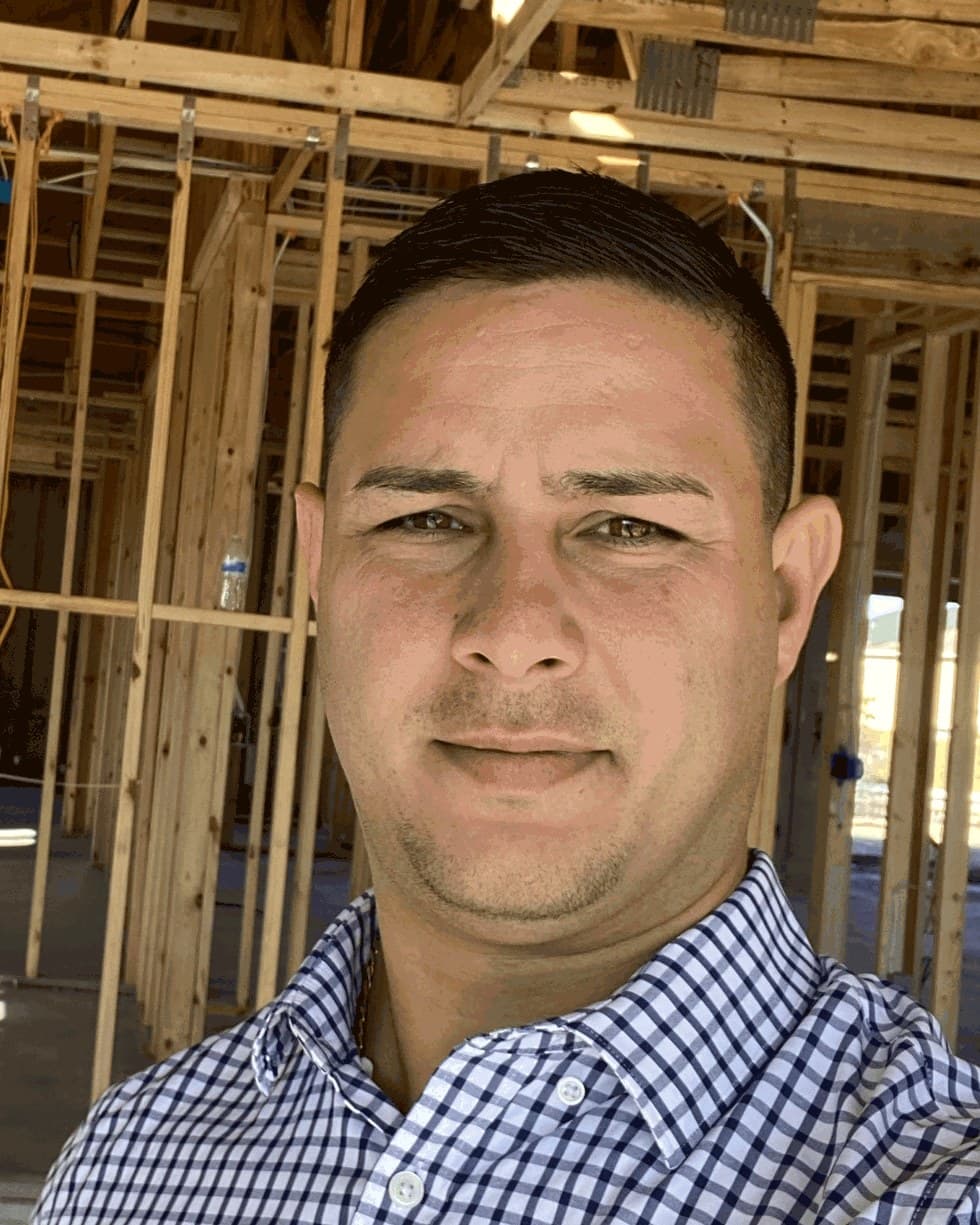
For reference, Master Key Development Group is run by Erick Garcia, a State of Florida Certified General Contractor, license CGC1542079. You can look that number up yourself—every contractor you interview should be comfortable with you doing the same.
Confirm insurance before work starts
A license is not the same as insurance. Ask every contractor for certificates of insurance and confirm them with the insurer if anything looks off.
- General liability insurance covers damage the contractor causes to your property or to others during the work.
- Workers' compensation protects you if someone is hurt on your property. Florida requires construction employers to carry it (or hold a valid exemption), so ask to see proof.
Condo associations and many commercial landlords will also require a certificate of insurance naming them as additional insured before any work begins. A professional contractor handles this routinely.
Get a detailed written estimate—and compare scopes, not just totals
When you compare estimates, line them up item by item:
- Demolition, disposal and site protection
- Structural work, framing and drywall
- Cabinets, counters, tile, flooring and other finishes—and whether allowances are realistic
- Permits, plans and engineering fees
- Cleanup and the final walkthrough
- Payment schedule and how change orders are priced
A low number that leaves out permits, uses tiny finish allowances or excludes items you assumed were included will not stay low for long.
Understand Florida's rules on deposits and liens
Florida has specific protections for residential projects that are worth knowing before you hand over a deposit.
- Deposits. Under Florida Statutes §489.126, a contractor who accepts more than 10% of the contract price as a deposit on residential work must apply for the permits within 30 days and start work within 90 days after the permit is issued, unless your contract says otherwise.
- Notice of Commencement. For most permitted improvements, a Notice of Commencement is recorded with the county before the first inspection (§713.13). It is part of Florida's construction lien system.
- Lien releases. Ask for lien waivers or releases from the contractor and major suppliers as you make payments, so you are not exposed if someone down the line goes unpaid.
Make sure the contractor pulls the permits
Permits protect you. They mean a building official reviewed the plans and inspected the work. In Naples, permits go through either the City of Naples or Collier County depending on your address; in Fort Myers and the rest of Lee County it is the city or county building department.
Be cautious if a contractor suggests you pull an owner-builder permit for work they will be doing, or says a permit "isn't really needed" for structural, window, roofing or system changes. Unpermitted work can create problems with insurance, resale and future renovations. If your home is in a flood zone, the contractor should also understand how the FEMA 50% rule applies before the scope is finalized.
Ask how the project will be managed
Good construction is mostly good management. Ask:
- Who will be on site day to day, and who is my point of contact?
- How often will I get updates, and how?
- How are schedule changes and change orders handled and approved?
- How do you protect the rest of the home and keep the site clean?
- If I'm a seasonal owner, how will you manage the job while I'm away?
Questions to ask before you hire
- Can I see your license number and certificates of insurance?
- Have you done projects like mine in this area—and with this HOA or condo association?
- What exactly is included in the estimate, and what is excluded?
- Who pulls the permits, and how long do you expect approval to take?
- What is the payment schedule, and what do you need as a deposit?
- What is your realistic start date and timeline?
- How do you handle surprises found during demolition?
- What warranty do you provide, and what does it cover?
Red flags to watch for
- A license number that doesn't verify—or no license number at all
- Pressure to sign immediately or a "today only" price
- A large cash deposit with no written contract
- A vague one-line estimate
- Reluctance to pull permits
- After a storm: door-to-door solicitation, or offers to "cover" your insurance deductible (Florida law prohibits contractors from waiving or rebating property-insurance deductibles)
The bottom line
The best general contractor for your project is licensed, insured, transparent about scope and price, and organized enough to run the job without you chasing them. Take the time to verify the basics, compare estimates on equal terms and ask direct questions.
If you are planning a custom home, a remodel or a commercial buildout in Naples, Fort Myers or anywhere in Southwest Florida, request a free estimate and we'll walk the property with you.
Sources and further reading
- Florida DBPR — Verify a License
- Florida Statutes §489.126 — Moneys received by contractors
- Florida Statutes §713.13 — Notice of commencement
This article is general information, not legal, engineering or insurance advice. Requirements change; confirm specifics for your property with the appropriate professional or agency.